
Data from the Halifax mortgage giant revealed average house prices stagnated in November, but while prices are falling in some areas, they are continuing to rise elsewhere.
Property prices are expected to rise slowly next year after stagnating last month, experts say.
Figures from the Halifax mortgage lender show average house prices virtually remained at a standstill in November, rising by just £138 to hit a new record of £299.89 and crossing the £300,000 mark.
Economists say “nervousness” ahead of the Budget has dampened appetite. But with the prospect of a further rate cut from the Bank of England as early as this month, they estimate that price growth could accelerate in early 2026.
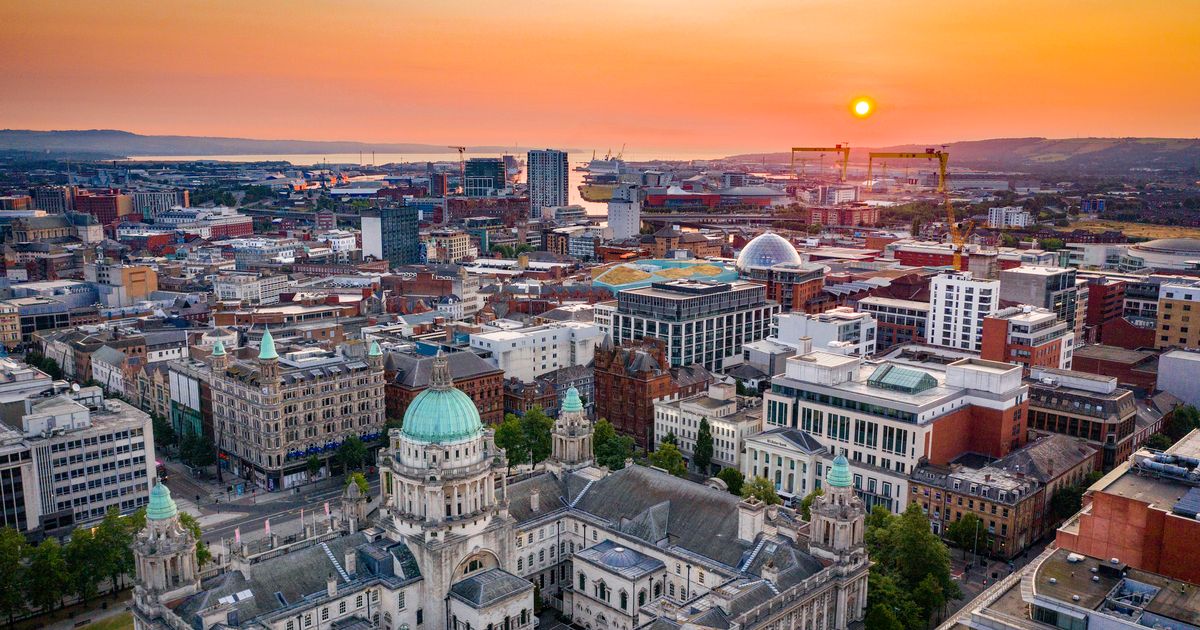
Although prices nationally remained stable, some regions performed much better than others, according to the Halifax. For example, average house prices in Northern Ireland jumped almost 9% year-on-year to £220,716, up from 7.9% in October. The region, home to more than 1.9 million people, has seen housing supply far below demand. A Danske Bank report released earlier this year indicated that applications for building permits in Northern Ireland were at their lowest level since 2002.
At the other end of the scale, Greater London continues to struggle, with average prices falling 1% to a typical £539,766 last month.
In the UK, annual price growth slowed sharply last month, from 1.9% to 0.7%. Amanda Bryden, head of mortgages in Halifax, said this was the lowest since March 2024, “although this largely reflects the base effect of much stronger price growth this time last year”.
She continued: “Even with changes to stamp duty in the spring and some uncertainty heading into the autumn budget, property values have remained stable. While slower growth may disappoint some existing homeowners, it is good news for first-time buyers. Comparing house prices to average incomes, affordability is now at its highest level since late 2015.
“Given today’s higher interest rates, mortgage costs as a percentage of income are at their lowest level in approximately three years. Looking ahead, with stable market activity and expectations of further interest rate reductions to come, we expect house prices to continue to grow gradually through 2026.”
Annual house price growth of 3.7% was recorded in Scotland in November, with the average property value at £216,781. In Wales, the average property value increased by 1.9% year on year to £229,430. In England, the North West recorded the highest annual growth rate, with house prices increasing by 3.2% per year to £245,070. Despite its fall, London remains the most expensive part of the United Kingdom.
Jason Tebb, chairman of OnTheMarket, said the property market had shown “considerable resilience” in 2025, but added: “The national average figures hide significant regional differences, with the market performing better in the north than in the more expensive south, where affordability is more of an issue.
Iain McKenzie, chief executive of the Guild of Property Professionals, said: “What continues to shape conditions on the ground is the higher supply of homes on the market compared to last year. Buyers have more choice than they have had in years, and this increase in supply is naturally putting a damper on price growth in the short term.”
Karen Noye, mortgage expert at wealth manager Quilter, said: “The dust has now settled after the Budget, giving borrowers a clearer view of what the early months of 2026 could look like. Affordability remains the biggest hurdle. Inflation has eased and there is growing expectation of a first rate cut in December, but mortgage prices remain sensitive to changes in swap rates (which lenders use to price mortgages) and global pressures Fixed rates have fallen, but their rise is gradual and the high cost of living continues to limit how far borrowing power can extend, particularly for first-time buyers.
Sarah Coles, head of personal finance at Hargreaves Lansdown, said: “House prices have not risen rapidly for some time, and in November they were almost flat. We are bracing for a particularly slow year for property as a whole, with average prices up just 0.7% over the year so far – well behind inflation. The stagnation owes a lot to uncertainty. It’s not just nervousness pre-budget that flooded the market and persuaded buyers to wait, it’s also the weakening job market that has some people worried about taking on new financial responsibilities.
“The new year could see things improve a little. There is a good chance of a (Bank of England base) rate cut later this month, and mortgage rates have continued to fall. With wages rising faster than inflation and house prices, this could help bring property back into our reach. Coupled with the renewed enthusiasm we often see in January, this could be enough to revive the market.”
Average house prices and annual change, according to Halifax (regional annual change figures are based on the most recent three months of approved mortgage transaction data):
- East Midlands, £246,002, 1.4%
- East of England, £334,795, minus 0.1%
- London, £539,766, minus 1.0%
- North East, £180,939, 2.9%
- North West, £245,070, 3.2%
- Northern Ireland, £220,716, 8.9%
- Scotland, £216,781, 3.7%
- South East, £388,207, minus 0.3%
- South West, £306,271, 0.3%
- Wales, £229,430, 1.9%
- West Midlands, £261,420, 1.3%
- Yorkshire and Humber, £216,159, 1.8%